

A higher living wage sounds great. But is it enough?
Frog Recruitment • April 14, 2026
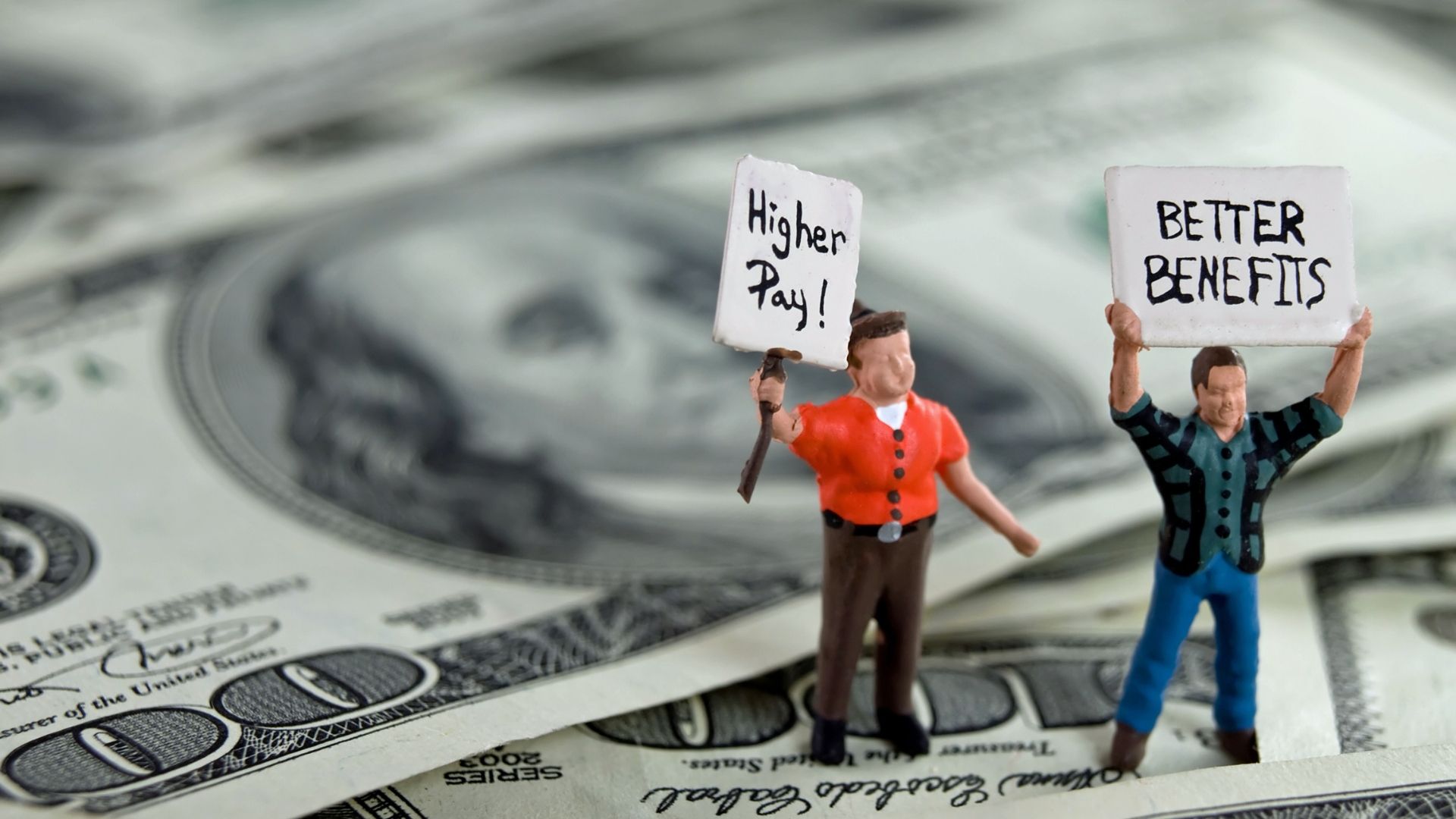
New Zealand’s latest Living Wage increase has reignited an important conversation about what fair pay really looks like in a market still under pressure. On the surface, a rise to $29.90 an hour feels like a positive move. It reflects the reality that many households are still dealing with rising fuel prices, higher everyday costs, and ongoing financial strain. For workers already stretched by rent, groceries, transport, and utilities, any increase is likely to be welcomed.
But wage increases are rarely as simple as a headline figure. In practice, the impact of a Living Wage rise depends on who adopts it, how quickly it is implemented, and whether organisations can absorb the additional cost without placing more pressure on other parts of the business. That is especially relevant in New Zealand right now, where employers are balancing higher wage costs, KiwiSaver changes, and wider operational pressures at the same time.
The latest increase also shines a light on a growing gap between the legal minimum and what many workers need to maintain a reasonable standard of living. While the Living Wage is designed to reflect real household costs, it is not mandatory. That means its impact depends entirely on how widely employers choose to adopt it. So while the increase sounds encouraging, the real question is whether it will make a meaningful difference across the broader market.
“The living wage isn't mandatory. It only makes a difference if employers choose to adopt it.”
On a recent New Zealand Market Update, Host Shannon Barlow, NZ Managing Director, explored what this latest change means in practical terms for both employees and employers. The discussion looked beyond the headline number and focused on the bigger issue at play: who actually feels the benefit of a Living Wage increase?
One of the clearest themes was that the rise matters, especially at a time when cost of living pressure remains high. For lower-paid workers, any upward shift in wages can offer some relief. With household costs still biting and financial pressure continuing to shape everyday decisions, the Living Wage remains an important signal of what fairer pay could look like. It speaks not just to earnings, but to dignity, security, and whether work is keeping pace with real life.
At the same time, Shannon pointed out that the practical effect is limited by the fact that the Living Wage is voluntary. That is the key tension in this conversation. A higher rate can create a strong headline and send a positive message, but it does not automatically improve outcomes unless employers actively choose to implement it. The gap between policy intent and market-wide impact is where much of the debate now sits.
There was, however, some good news in the public sector. Shannon highlighted that the government had previously proposed removing Living Wage requirements from certain public sector contracts, particularly in cleaning, security, and catering. Following strong pushback, that decision was reversed, meaning those contracts must still meet Living Wage standards. That move protected around 5,000 lower-paid workers and sent a strong signal that there is still commitment to lifting the floor where it matters most.
For employers, though, the challenge is real. Many businesses are already absorbing increased wage costs, rising KiwiSaver contributions, and growing operational expenses, all while trying to rebuild momentum after a difficult period. In that environment, supporting workers while staying commercially sustainable becomes a difficult balancing act. It is not that employers do not see the importance of fair pay. It is that wage increases need to sit within a system that businesses can realistically sustain.
That is why this conversation cannot be treated as a simple choice between doing right by employees and protecting business performance. In reality, both need to happen together. Wage increases only work when the structure around them holds. Businesses need the financial stability, productivity, and workforce planning to support those decisions over time. Employees need pay that reflects the actual cost of living. Right now, both sides are feeling the squeeze.
The Living Wage discussion also raises bigger questions about attraction, retention, and employer value in a changing labour market. Pay remains a major factor, but it is increasingly part of a wider equation. Candidates are also looking closely at flexibility, wellbeing, recognition, and long-term opportunity. For employers, that means wage decisions are not just about compliance or cost. They are part of a broader strategy around trust, engagement, and staying competitive in a tighter market.
What should employers be asking now?
- Is our pay approach aligned with the real cost pressures employees are facing?
- If a Living Wage is not currently viable, what other support can we offer to strengthen retention and wellbeing?
- Are we communicating clearly about how wage decisions are made across the business?
- Which roles in our workforce are most exposed to cost of living strain right now?
- Could a stronger pay position improve attraction, engagement, and long-term stability in key teams?
- Do our workforce plans allow for wage growth without creating unsustainable pressure elsewhere in the business?
Grow your career and team
Get in touch with Frog Recruitment
In business since 2002 in New Zealand, Frog Recruitment is an award-winning recruitment agency with people at our heart. Located across Auckland and Wellington, we specialise in accounting and finance, business support, education, executive, government, HR, legal, marketing and digital, property, sales, supply chain, and technology sectors. As the proud recipients of the 2024 RCSA Excellence in Candidate Care Award, we are dedicated to helping businesses achieve success through a people-first approach.