
Is New Zealand’s HR Market Stable, or Just Standing Still?
Frog Recruitment • July 6, 2026

The New Zealand HR market is entering a new phase. After several years of shifting employee expectations, cost pressures, changing workplace legislation and rapid technology adoption, businesses are looking for more from their HR teams than ever before. Yet for many organisations, hiring activity remains cautious, teams are lean, and employees are not necessarily staying because they are engaged.
This creates a challenging environment for HR leaders. A stable workforce can look positive on paper, but stability does not always tell the full story. When people are concerned about the wider market, they may be less willing to change roles, even if they are disengaged, stretched or uncertain about their future. For employers, this means retention figures need to be read carefully.
At the same time, HR teams are being asked to lead on several fronts at once: employee experience, leadership development, compliance, workforce design, productivity and technology adoption. The role of HR is no longer just about supporting the business. Increasingly, it is about helping the business adapt.
“Stability we’re seeing now is actually job hugging masquerading as stability.”
On a recent New Zealand Market Update, Host Liz Punshon, Victoria Managing Director at people2people, was joined by Guest Josh Campbell, Head of HR at Tritium, to discuss what is really happening across the HR landscape and why workforce confidence, productivity and technology are becoming central issues for employers.
Josh described the market as “stable but stretched”, explaining that while hiring demand has not increased, expectations on existing workforces remain high. Businesses are still aiming for strong revenue outcomes, but without the same workforce growth seen in previous periods. The result is pressure on productivity, with employees and HR teams being asked to do more within existing structures.
This is where HR’s role is changing. Traditionally, HR teams have focused heavily on leadership coaching, engagement and business partnering. Those areas remain important, but Josh noted a clear shift towards more commercial HR, where teams are expected to support productivity, manage compliance quickly and help organisations rethink job design. As technology changes the way work is done, HR must ensure roles and expectations evolve with it.
A key theme was the growing need for HR professionals to become “force multipliers”. In Josh’s view, the teams that succeed will be those that can use technology, automation and smarter systems to increase their impact without necessarily increasing headcount. This is especially important for HR teams that are already under-resourced or operating with flat team structures.
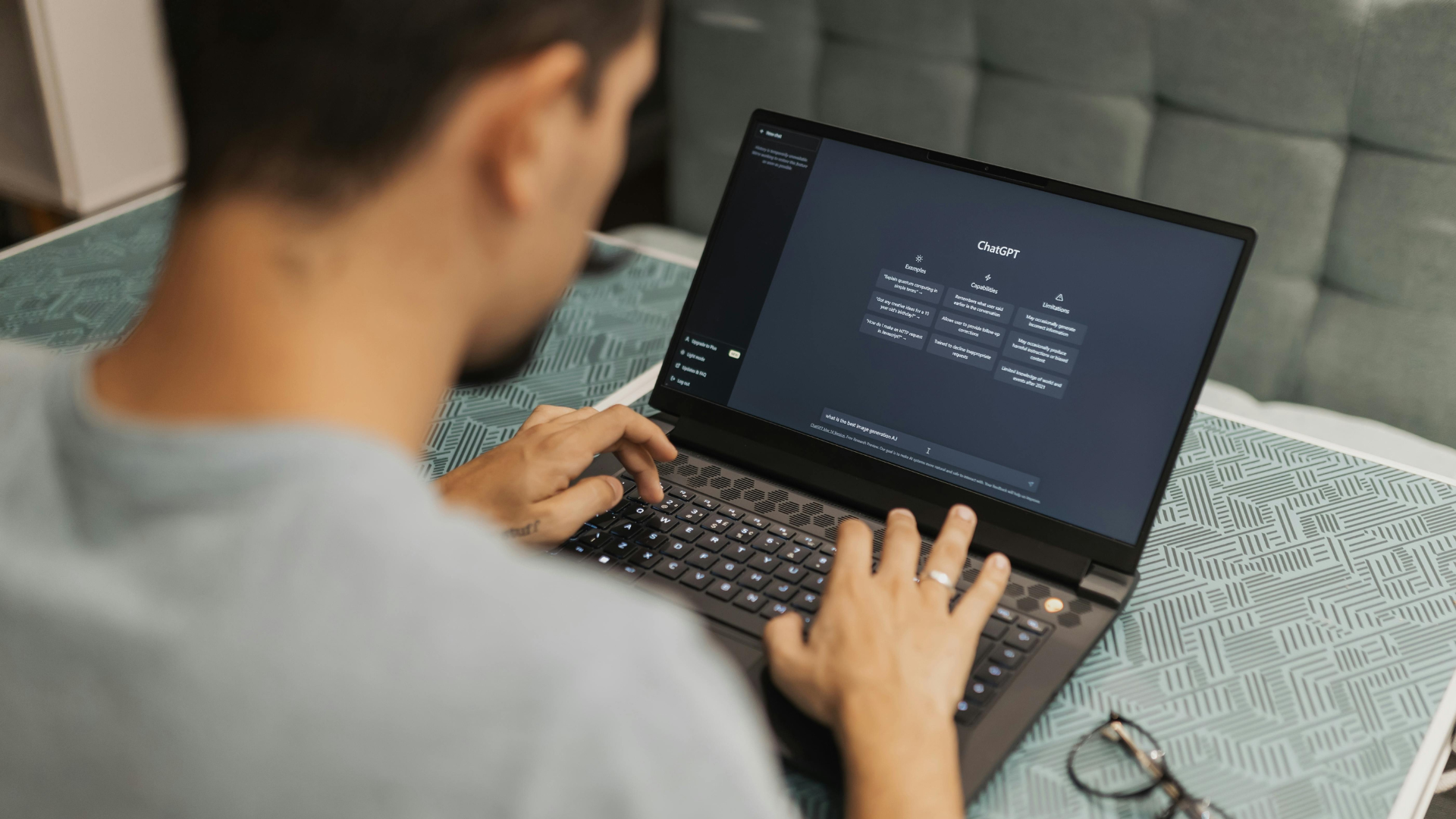
AI was a major part of the conversation, but not in the simplistic way it is often discussed. Josh warned that simply turning on a tool like Microsoft Copilot and calling it an AI transformation misses the point. “That’s not a transformation,” he said. The real opportunity lies in using AI, automation and new tech stacks to fundamentally change how HR work is done, from administration through to workforce planning and decision-making.
The pace of adoption is also becoming a competitive issue. Some employees are already using AI tools independently at home because their workplaces have not provided the right support, systems or guidance. For employers, this creates both risk and opportunity. Without a clear strategy, AI use can become fragmented. With the right approach, it can help HR teams reduce manual workload, improve consistency and free up time for more strategic work.
Beyond AI, compliance is expected to remain a major pressure point through the rest of 2026 and into 2027. Ongoing changes to workplace expectations, employment settings and flexible work arrangements mean HR teams will need to stay alert to how policy and legislation may reshape workforce management. For employers, the challenge is not only keeping up with these changes, but also applying them in a way that supports teams already operating under pressure.
The biggest takeaway is that HR teams cannot rely on surface-level signals. A low turnover rate may not mean employees are engaged. AI adoption may not mean true transformation. Stable headcount may not mean teams are coping. To stay ahead, HR leaders will need to look deeper, build stronger engagement strategies and create operating models that support both productivity and wellbeing.
For New Zealand businesses, the next phase of HR will be defined by how well teams balance commercial needs with employee expectations. The organisations that succeed will likely be those that invest in practical technology, keep pace with compliance change, redesign work thoughtfully and build trust with employees who may be more cautious than confident.
How can HR teams prepare for a stretched but changing market?
- Look beyond retention numbers and assess whether employees are genuinely engaged or simply staying due to market uncertainty.
- Review job design regularly to ensure roles reflect changing technology, workload and business priorities.
- Treat AI as a transformation tool, not just another software feature.
- Invest in automation and tech-enabled systems that reduce manual HR administration.
- Stay close to compliance changes, especially around employment settings, flexible work expectations and workforce obligations.
- Build leadership capability that supports both productivity and employee confidence.
Grow your career and team
Get in touch with Frog Recruitment
In business since 2002 in New Zealand, Frog Recruitment is an award-winning recruitment agency with people at our heart. Located across Auckland and Wellington, we specialise in accounting and finance, business support, education, executive, government, HR, legal, marketing and digital, property, sales, supply chain, and technology sectors. As the proud recipients of the 2024 RCSA Excellence in Candidate Care Award, we are dedicated to helping businesses achieve success through a people-first approach.