AI Job Ads Surge 93% in New Zealand: Is AI Replacing Jobs or Changing the Way We Work?
October 11, 2026
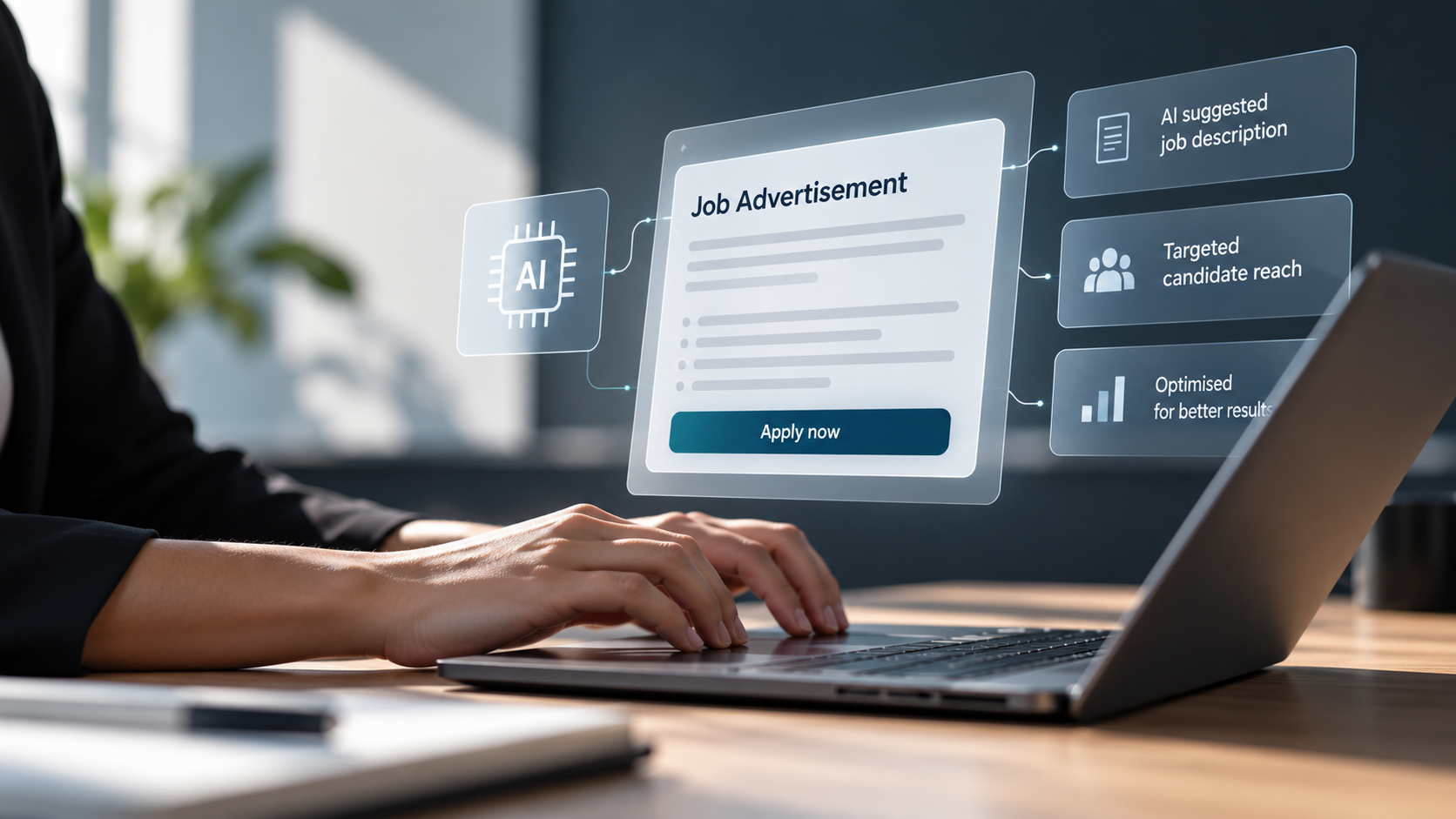
Artificial intelligence is transforming New Zealand's employment landscape, and the latest recruitment figures are raising important questions about the future of work. With job advertisements referencing AI-related skills increasing by 93.3% year-on-year in August 2026, it is clear that employers are placing greater importance on technology and digital capabilities. But does this mean AI is taking over jobs, or are businesses simply changing the skills they expect employees to bring?
As AI adoption accelerates across industries, employees are increasingly concerned about job security, automation and the future relevance of their skills. From administrative tasks to data analysis and decision-making, technology is becoming more integrated into everyday responsibilities. However, the growing demand for AI capabilities does not necessarily mean a corresponding decline in human employment.
Instead, the shift presents an opportunity to rethink productivity, workplace efficiency and the value of human skills. Understanding where AI can support existing roles, rather than simply replace them, could be key to helping New Zealand businesses and employees adapt successfully.
"The interesting question isn't simply, will AI replace my job? It's which parts of my job can AI help with and what does that free me up to do better?"
What Does the 93% Surge in AI Job Ads Really Mean?
On a recent NZ Market Update, Host NZ Managing Director Shannon Barlow explored the growing demand for AI-related skills in New Zealand, questioning whether the latest recruitment figures point towards widespread job displacement or a broader transformation of existing roles.
SEEK NZ recorded a 93.3% annual increase in advertisements referencing AI-related keywords in August 2026. While the headline suggests a dramatic shift in employment demand, Shannon highlighted an important distinction: these advertisements are not necessarily for newly created AI specialist positions. Instead, they reflect employers increasingly seeking AI capabilities within established occupations. For employees, this signals that developing AI literacy may become just as important as maintaining traditional professional expertise.
Is AI Really Taking Jobs Away From Employees?
Concerns about AI replacing workers are understandable, particularly as businesses explore automation to reduce costs and improve efficiency. The same SEEK NZ findings showed that advertisements for roles with high exposure to automation were 0.1% lower year-on-year, while demand for roles with medium or low exposure continued to rise.
However, this does not establish that AI is directly responsible for weaker hiring in highly automatable positions.
Shannon noted that technological change is not new. Everyday tools such as spellcheck and digital navigation systems were once unfamiliar innovations, yet they have become widely accepted because of their practical benefits. AI may follow a similar path in the workplace. Rather than eliminating entire professions, it could increasingly become a standard tool that supports employees in completing their responsibilities more effectively.
Why Human Skills Still Matter in an AI-Driven Workplace
Although AI can assist with repetitive administration, processing information and supporting decisions, many valuable workplace skills remain fundamentally human. Critical thinking, creativity, relationship building, empathy and sound judgement are essential when navigating complex situations, responding to individual needs and making decisions that carry real consequences.
As Shannon explained, removing lower-value tasks from employees' workloads creates more opportunities to focus on higher-value contributions. For employers, this means the real benefit of AI may come from improving how teams operate rather than simply reducing headcount. Businesses that combine technological capability with strong communication, problem-solving and interpersonal skills may be better positioned to improve service quality, employee engagement and overall performance.
How Can Employees Start Developing AI Skills?
With employers increasingly referencing AI capabilities in job advertisements, employees may feel pressure to become technology experts. However, Shannon encouraged a more accessible starting point: curiosity. Becoming comfortable with AI does not require advanced technical qualifications or an immediate transformation of daily working practices.
Instead, employees can begin by experimenting with AI in familiar, low-risk situations. Using technology to organise a holiday, research a purchase or manage personal schedules provides an opportunity to understand its practical applications. It also helps users recognise limitations, including inaccurate information and responses that appear convincing despite being incorrect. These early experiences can build the confidence and judgement needed to identify more meaningful applications at work.
Importantly, AI-generated information should never be accepted without scrutiny. Shannon reinforced that employees must continue applying their own knowledge, context and critical thinking when reviewing AI outputs. Learning when to question the technology is just as important as understanding how to use it.
Could AI Help Solve New Zealand's Productivity Challenges?
Beyond changing individual job requirements, AI presents a potentially significant opportunity for New Zealand's productivity. Improving efficiency has long been an important challenge for the country's economy, making emerging technologies particularly relevant for organisations seeking sustainable growth.
Shannon emphasised that businesses cannot afford to dismiss potential productivity improvements simply because unfamiliar technology creates discomfort. Automating routine transactions, reducing unnecessary administration and simplifying processes could allow employees to spend more time on activities that generate meaningful business value.
However, successful implementation requires a balanced approach. Introducing AI without adequate oversight, training or clear expectations can create additional risks. Organisations must consider how technology complements existing roles, where human accountability remains essential and how employees can develop the capabilities needed to use new tools responsibly.
Ultimately, the rise in AI-related job advertisements reflects a changing workplace rather than definitive evidence of widespread job replacement. For New Zealand employers and employees, the opportunity lies in combining technological efficiency with the uniquely human capabilities that remain essential to business success.
How Can You Prepare for the Growing Influence of AI at Work?
- Start experimenting with AI: Explore simple, low-risk uses of AI in your personal life to build confidence and familiarity with its capabilities.
- Identify repetitive tasks: Consider which administrative or process-driven responsibilities could be simplified, allowing more time for valuable work.
- Strengthen human skills: Continue developing critical thinking, communication, creativity, problem-solving and relationship-building capabilities.
- Question AI-generated information: Review outputs carefully, verify important details and use your own professional judgement before making decisions.
- Invest in ongoing learning: Stay informed about emerging technologies and seek opportunities to develop practical AI skills relevant to your industry.
- Focus on productivity, not replacement: Explore how AI can improve efficiency and support employees rather than viewing automation solely as a way to reduce workforce numbers.
As artificial intelligence becomes more integrated into New Zealand workplaces, the question is no longer whether it will influence the way people work, but how effectively businesses and employees will adapt. Those who approach AI with curiosity, caution and a willingness to learn may be best placed to benefit from the opportunities ahead.
Grow your career and team
Get in touch with Frog Recruitment
In business since 2002 in New Zealand, Frog Recruitment is an award-winning recruitment agency with people at our heart. Located across Auckland and Wellington, we specialise in accounting and finance, business support, education, executive, government, HR, legal, marketing and digital, property, sales, supply chain, and technology sectors. As the proud recipients of the 2024 RCSA Excellence in Candidate Care Award, we are dedicated to helping businesses achieve success through a people-first approach.