

Exploring New Zealand on a Budget: Best Free Attractions to Visit

admin • November 14, 2024
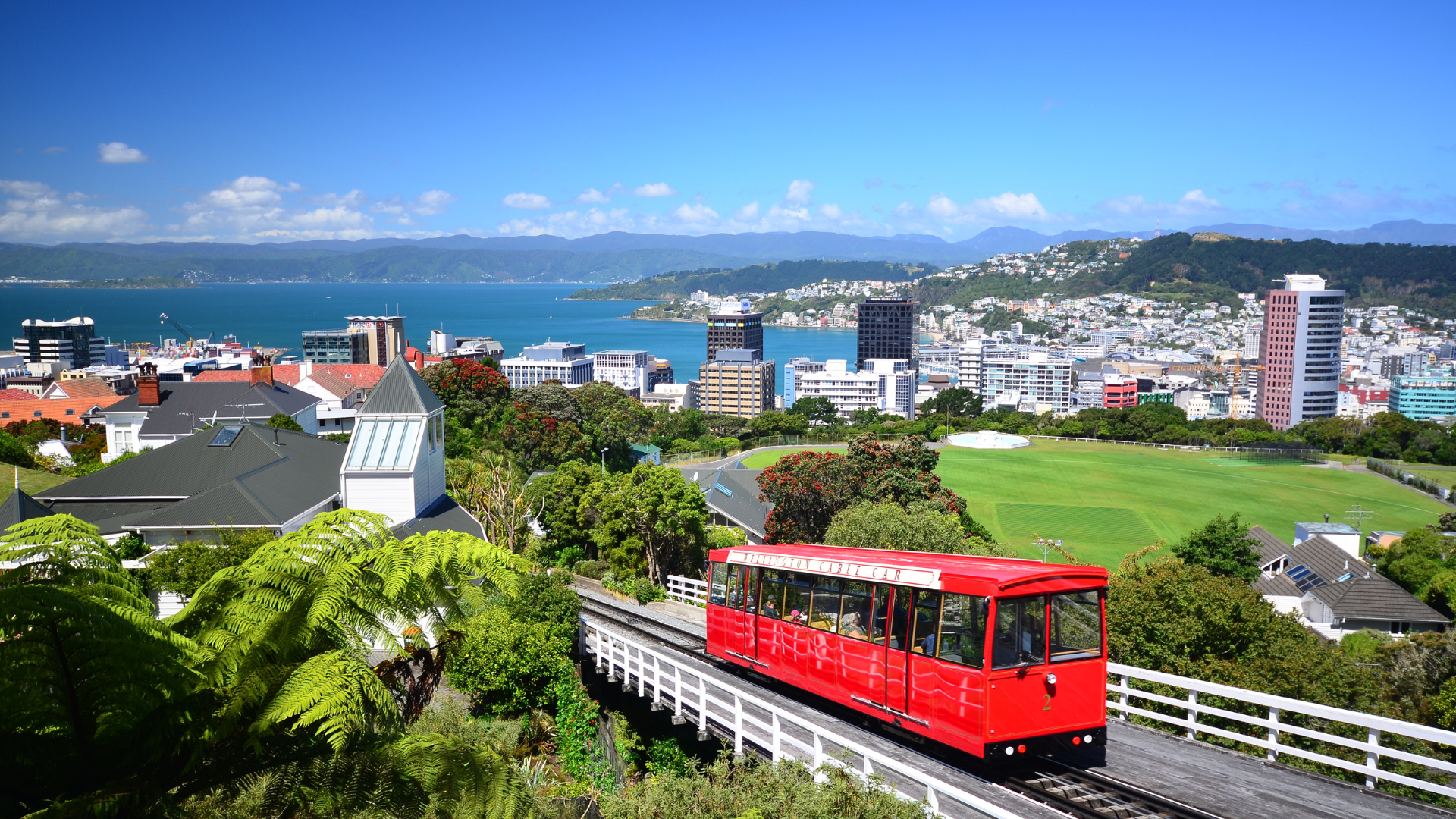

Travelling through New Zealand doesn’t have to break the bank. Known for its stunning landscapes, diverse ecosystems, and vibrant cities, New Zealand offers countless free attractions that allow you to experience the best of what the country has to offer without spending a cent. From breathtaking hikes to fascinating cultural landmarks, there are plenty of budget-friendly options for those looking to make the most of their trip.

In this guide, we’ll explore some of the top free attractions across New Zealand, perfect for budget-conscious travellers. Whether you’re a nature lover, history buff, or just want to take in some of the country’s most iconic sights, these experiences provide the opportunity to connect with the beauty and culture of New Zealand without stretching your budget.

1. Explore Te Papa Museum in Wellington

Te Papa Tongarewa, New Zealand’s national museum in Wellington, is a must-visit for anyone interested in the country’s history, culture, and natural heritage. The best part? Admission is free! Wander through interactive exhibits that cover everything from Māori culture and art to New Zealand’s unique flora and fauna. Highlights include the Gallipoli: The Scale of Our War exhibition, which tells the story of New Zealand’s role in World War I, and the natural history sections, where you can learn about the country’s extraordinary wildlife.

Set aside a few hours to fully explore the museum, and make sure to visit the outdoor Bush City, a living display of New Zealand’s native plants. Te Papa also offers free guided tours at certain times, making it an even more enriching experience.

Location: Wellington

Best For: History buffs and families

Tip: Check the museum’s website for details on temporary exhibitions and events.

2. Hike the Tongariro Alpine Crossing

Considered one of the best day hikes in the world, the Tongariro Alpine Crossing is a must-do for outdoor enthusiasts. This 19.4 km trek takes you through a landscape of steaming vents, vibrant blue-green lakes, and dramatic volcanic craters. The hike is free to access and offers some of the most stunning views in New Zealand.

While the crossing is a challenging hike, it’s well worth the effort. Be prepared with good hiking boots, plenty of water, and layers of clothing, as the weather can change quickly. If you don’t have a car, shuttle services are available to drop you off and pick you up at the start and end points, but keep in mind these come at a cost.

Location: Tongariro National Park, Central North Island

Best For: Experienced hikers and nature lovers

Tip: Start early to avoid the midday heat and allow plenty of time to complete the hike before nightfall.

3. Visit the Hamilton Gardens

The Hamilton Gardens are not your typical botanical gardens. Instead of focusing solely on plants, these gardens are themed around different civilisations and horticultural traditions, making them a unique and fascinating place to explore. Entry to the gardens is completely free, allowing you to wander through the Italian Renaissance Garden, the Japanese Garden of Contemplation, the Indian Char Bagh Garden, and many more.

Each garden tells a story, offering insight into the history and cultural significance of gardening in various parts of the world. The Fantasy Garden and Surrealist Garden are particularly popular with families, providing interactive and whimsical experiences.

Location: Hamilton, Waikato

Best For: Families and garden enthusiasts

Tip: Download the free audio guide from the Hamilton Gardens website for a more immersive experience.

4. Walk Around Wellington’s Waterfront

Wellington’s vibrant waterfront is the perfect spot for a leisurely stroll, offering stunning views of the harbour, sculptures, and plenty of cafes and restaurants to stop by. Start your walk at Queens Wharf and make your way around to Oriental Bay, where you’ll find locals swimming, sunbathing, and enjoying the summer atmosphere.

Along the way, keep an eye out for public artworks like the Solace in the Wind statue, and visit the Museum of Wellington City & Sea, which offers free admission and showcases the maritime history of the capital. The waterfront is also a hub for street performers and pop-up events, making it a lively spot to explore during weekends.

Location: Wellington

Best For: Sightseers and art lovers

Tip: Bring a picnic and enjoy it on the grass at Frank Kitts Park while taking in the harbour views.

5. Relax at Hot Water Beach in Coromandel

For a unique geothermal experience, head to Hot Water Beach on the Coromandel Peninsula. During low tide, you can dig your own hot pool in the sand as naturally heated water bubbles up from underground springs. It’s a fun and free activity, ideal for unwinding and enjoying the natural beauty of the Coromandel.

Arrive an hour before low tide to secure a good spot, as this is one of the more popular free attractions in the region. Don’t forget to bring a shovel or hire one from a local cafe. While the beach is free to access, parking may come at a small fee.

Location: Coromandel Peninsula, North Island

Best For: Families and beachgoers

Tip: Check the tide times before heading out, as the hot pools are only accessible for about two hours around low tide.

6. Marvel at the Moeraki Boulders

Located along Koekohe Beach on the Otago coast, the Moeraki Boulders are a geological wonder. These large, spherical boulders are scattered along the beach, creating a surreal landscape that’s perfect for photography. Formed over millions of years, the boulders have a unique look due to their cracked patterns and smooth surfaces.

Visiting the Moeraki Boulders is completely free, although you might need to pay a small fee for parking at the nearby cafe. Explore the beach at low tide for the best view of the boulders and take some time to appreciate their natural beauty.

Location: Koekohe Beach, Otago

Best For: Photographers and nature lovers

Tip: Arrive early in the morning or late in the afternoon for the best lighting and to avoid the crowds.

7. Discover the Art Deco Architecture of Napier

After a devastating earthquake in 1931, the city of Napier was rebuilt in the Art Deco style, making it one of the best-preserved Art Deco cities in the world. Walking through the streets of Napier is like stepping back in time, with beautifully restored buildings, vibrant colours, and unique architectural details around every corner.

Pick up a free map from the Art Deco Centre and take a self-guided walking tour to learn about the history and significance of the buildings. The town also hosts the annual Art Deco Festival in February, but even outside the festival, the architecture is worth exploring.

Location: Napier, Hawke’s Bay

Best For: Architecture enthusiasts and history buffs

Tip: Make time to visit the Marine Parade for great views of the ocean and a relaxed seaside atmosphere.

8. Explore the Marlborough Sounds

If you’re on the South Island, don’t miss the chance to explore the Marlborough Sounds , a network of sea-drowned valleys filled with crystal-clear waters and lush green hills. While taking a boat tour can be costly, there are plenty of free ways to enjoy the area. Head to Queen Charlotte Track for a scenic hike, or find a quiet spot along the coastline to enjoy a picnic and watch for dolphins, seals, and native birdlife.

The Marlborough Sounds are perfect for those looking to escape the hustle and bustle and connect with nature. There are numerous free campsites along the sounds, making it a great spot for budget-conscious campers.

Location: Marlborough, South Island

Best For: Hikers and nature enthusiasts

Tip: Visit the lookout at Cullen Point for panoramic views of the Pelorus Sound.

Grow your career and team
Get in touch with Frog Recruitment


Auckland
   I  Wellington


In business since 2002 in New Zealand, Frog Recruitment is an award-winning recruitment agency with people at our heart. Located across Auckland and Wellington, we specialise in accounting and finance, business support, education, executive, government, HR, legal, marketing and digital, property, sales, supply chain, and technology sectors. As the proud recipients of the 2024 RCSA Excellence in Candidate Care Award, we are dedicated to helping businesses achieve success through a people-first approach.


Recent articles

By Shannon Barlow • November 1, 2026
The UK's equality watchdog wants to stop employers asking job applicants about their previous salary or pay expectations. But would banning these questions create fairer pay outcomes, or could we be losing a valuable conversation? The problem isn't having a conversation about salary. It's using someone's previous salary to determine how little you can get away with paying them. That's the distinction at the heart of a debate emerging in the UK, where the Equality and Human Rights Commission (EHRC) has recommended banning employers from asking job applicants about their salary history or expectations. The concern is understandable. If someone has been underpaid in a previous role, using that salary as the starting point for their next offer can mean existing inequalities follow them throughout their career. But from a recruitment perspective, there's another side to the conversation worth considering. Your previous salary shouldn't determine your future worth. Let's say two candidates apply for the same position. They have comparable experience, similar skills and the same ability to perform the role. One currently earns $80,000. The other earns $100,000. Should the employer offer the first candidate less simply because they've previously been paid less? Absolutely not. Remuneration should reflect the responsibilities of the role, the skills and experience required, internal equity and current market rates — not simply what someone managed to negotiate with their previous employer. Otherwise, people who have historically been underpaid can find themselves perpetually playing catch-up. This can be particularly problematic for people returning from career breaks, those who have prioritised flexibility over salary, and employees who have spent years with the same organisation while market rates have moved ahead. A change of employer should be an opportunity to reset remuneration against the market, rather than carry forward an outdated benchmark. But salary conversations can work in candidates' favour. While we understand the motivation behind the UK proposal, there's an important difference between asking about salary history to justify a lower offer and discussing remuneration to help someone understand their market value. As recruiters, we're constantly having conversations with employers and jobseekers about salary. Those discussions give us valuable insight into remuneration trends across different industries, professions and locations. They also allow us to challenge expectations on both sides. For employers, that might mean explaining that their proposed salary isn't competitive enough to attract the experience they're looking for. For candidates, it can mean helping them recognise that they've been underpaid and encouraging them to aim higher. Someone earning $75,000 might assume that asking for $85,000 is ambitious. But if comparable positions are paying $90,000 to $100,000, that conversation can be genuinely empowering. The objective shouldn't be to anchor someone's next salary to their previous one. It should be to help them understand what their skills are worth in today's market. Why are we so uncomfortable talking about money? New Zealanders and Australians can be surprisingly reserved when it comes to discussing salaries. We regularly encounter candidates who are uncomfortable disclosing what they currently earn or what they'd like to earn next. And that's understandable. Jobseekers want to achieve the best possible outcome, but they also worry about pricing themselves out of an opportunity. That concern can be particularly pronounced in a challenging employment market, when competition for roles is high and candidates may feel they have less negotiating power. Some people deliberately nominate a lower salary expectation because they're concerned an employer will otherwise overlook them. Others aren't confident about their market value, particularly if they haven't changed jobs for several years. This is where transparency and access to reliable salary information become particularly important. If candidates understand the market rate for their skills and experience, they're better equipped to have an informed conversation — rather than guessing what an employer might be willing to pay. What are New Zealand and Australia doing about pay transparency? Both countries have introduced changes designed to give employees greater freedom to discuss their remuneration. In New Zealand, the Employment Relations (Employee Remuneration Disclosure) Amendment Act came into force in August 2025. The legislation protects employees from adverse action for discussing or disclosing their pay, or participating in conversations about another employee's remuneration. Pay confidentiality clauses can still appear in employment agreements, but the new protections limit how employers can enforce them. Australia introduced stronger pay secrecy reforms in December 2022. Employees have a protected right to discuss their pay, and pay secrecy clauses are prohibited in new employment contracts, with transitional arrangements applying to some older agreements. These are important steps towards greater transparency, but neither approach is the same as banning questions about salary history during recruitment. And that's an important distinction. Should employers publish salary ranges instead? One of the most practical ways to improve pay transparency is to give candidates a clearer indication of remuneration before they apply. Publishing a realistic salary range helps jobseekers assess whether an opportunity aligns with their expectations and reduces the risk of wasting time on a process that was never going to work financially. It also places more responsibility on employers to determine what a role is worth before entering the market. Rather than asking candidates what they're currently earning and working backwards from there, employers should be asking: What are the responsibilities and expectations of this position? What skills and experience are essential? What are comparable positions paying in the current market? How does the proposed salary compare with what existing employees earn? These are the questions that should establish the remuneration range. There will still be room for negotiation based on individual experience and capability, but the starting point should be the value of the role — not the candidate's salary history. What should candidates do when asked about salary? For jobseekers, preparation is key. Before entering a recruitment process, research the market rate for comparable positions and consider the full remuneration package, including benefits, flexibility, development opportunities and progression. If you're uncomfortable disclosing your previous salary, it's reasonable to steer the conversation towards your expectations for the new role. For example: "I'd prefer to focus on the responsibilities of this position and the market rate for the experience I bring. Based on my research, I'm looking for something in the range of $X to $Y." And if you're working with a recruiter, use their market knowledge. A good recruiter should be able to explain whether your expectations are realistic, identify where your current remuneration may be below market and help you approach negotiations with greater confidence. Better transparency, not less conversation. The UK proposal raises an important issue, and the principle behind it is one we support: people shouldn't be disadvantaged in their next job simply because they were underpaid in their last one. But banning conversations about salary expectations could also remove an opportunity for candidates and recruiters to have constructive discussions about market value. The focus should be on making those conversations fairer and more transparent. Employers should establish salary ranges based on the role and the market. Recruiters should challenge unrealistic expectations and advocate for fair remuneration. And candidates should feel confident discussing what they're worth without worrying that doing so will cost them an opportunity. Ultimately, the question shouldn't be "What were you paid before?" but "What is this job worth, and what value will you bring to it?"  At Frog Recruitment and people2people, our consultants work with employers and jobseekers across New Zealand and Australia, providing market insights and remuneration advice to support informed hiring decisions. If you'd like to understand how your salary or hiring budget compares with the market, get in touch with our team.
October 22, 2026
An unfilled position affects more than recruitment costs. Explore the hidden impact vacancies can have on workload, projects and customers.
October 22, 2026
Application volumes are rising, but hiring is not getting easier. Discover why candidate screening is becoming the new recruitment bottleneck.
October 22, 2026
Job hugging is making workers more cautious about changing roles. Learn when staying put is sensible and when it could start limiting your career.
October 22, 2026
Meeting every job requirement may get you shortlisted, but it may not make you stand out. Find out what employers are looking for beyond qualifications.

Latest PR features