
Is AI Helping Marketers or Just Adding More Noise?
Frog Recruitmnt • July 27, 2026

Marketing teams across Australia and New Zealand are operating in a market that feels more settled, but still cautious. Budgets are under closer review, customers are taking longer to make decisions, and businesses increasingly want proof that marketing activity is contributing to commercial results.
At the same time, expectations continue to rise. Marketers are being asked to build brand awareness, generate leads, improve the customer experience, understand data, produce engaging content and support broader business growth. They are also expected to move faster without lowering the quality of their work.
This pressure is changing how teams approach content, technology and collaboration. Rather than producing more for the sake of staying visible, businesses are becoming more deliberate about what they create, where they invest and how marketing connects with the wider organisation.
“The biggest shift in 2026 is away from quantity to quality.”
On a recent Australia and New Zealand Market Update, North Sydney Branch Manager Aiden Boast was joined by Head of Marketing at Mr Simple Harry Dalton and Director of Sales and Marketing at Jetpark Hotels Stuart Thompson to compare the priorities, pressures and opportunities shaping marketing teams on both sides of the Tasman.
Although the Australian and New Zealand markets have their differences, both leaders described an environment where businesses are becoming more selective. Marketing activity is being assessed more carefully, with greater attention given to value, execution and long-term impact.
For Australian teams, one of the main challenges is balancing the demand for immediate performance with the reality that brand marketing takes time. Campaigns may need months to build momentum, while the return on brand activity can take even longer to appear. This makes it important for marketing leaders to set realistic expectations with executives and stakeholders.
There are signs that senior leaders are becoming more willing to support long-term marketing strategies. Rather than demanding an immediate return from every campaign, some businesses are giving teams more room to experiment, test ideas and improve their creative work.
This patience does not remove the need for accountability. Marketing teams still need to show how their work contributes to demand, customer interest and future sales. However, businesses also need to recognise that not every valuable result can be measured within the first few weeks of a campaign.
Another clear shift is the move away from high-volume content. For several years, brands were encouraged to publish constantly, often creating multiple versions of the same idea in the hope that one would perform well.
That approach is becoming less effective. Audiences are more experienced at recognising rushed or repetitive content, while platforms are increasingly crowded. As Harry explained, “If you’re making quantity, you’re making crap.”
The focus is now moving towards stronger narratives, better production and more memorable creative concepts. Brands still need to remain active, but activity alone is not enough. A smaller number of well-developed campaigns can often create more impact than dozens of low-quality posts.
The quality of marketing can also influence how customers view the quality of the product or service. If a brand relies on rushed, poorly produced or generic content, audiences may assume the same lack of care applies elsewhere in the business.
In New Zealand, the market is also settled but cautious. Customers and businesses are taking longer to make decisions, while budgets are receiving more scrutiny. This has encouraged teams to become more deliberate about where they spend their time and money.
Marketing is no longer being treated as a collection of separate activities. Brand awareness, lead generation and customer experience are increasingly seen as connected parts of the same customer journey.
A campaign may introduce someone to the brand, support a future sales conversation, influence a booking or purchase, and strengthen repeat business over time. This means marketers need to look beyond reach, clicks and engagement when evaluating performance.
There is growing pressure to explain whether marketing has created demand, influenced revenue or improved the customer experience. This requires teams to develop stronger commercial awareness and a better understanding of how the wider business operates.
As Stuart explained, “Marketing cannot operate in isolation.” The strongest results come when marketing, sales and operations are aligned around the same commercial goals.
This also changes the skills businesses need from marketing professionals. Technical knowledge remains valuable, but adaptability, curiosity, communication and judgement are becoming more important.
Marketing teams need people who can learn quickly, work across departments and understand the commercial impact of their decisions. They must be able to ask the right questions, interpret information and decide which actions will create genuine value.
Teamwork is another major differentiator. As technology makes specialist knowledge more accessible, the ability to communicate clearly and collaborate effectively becomes more valuable.
Strong briefs, clear handovers and reliable communication can determine whether a campaign succeeds. Marketing increasingly operates like a team sport, with every person responsible for maintaining quality as work moves from strategy to production and delivery.
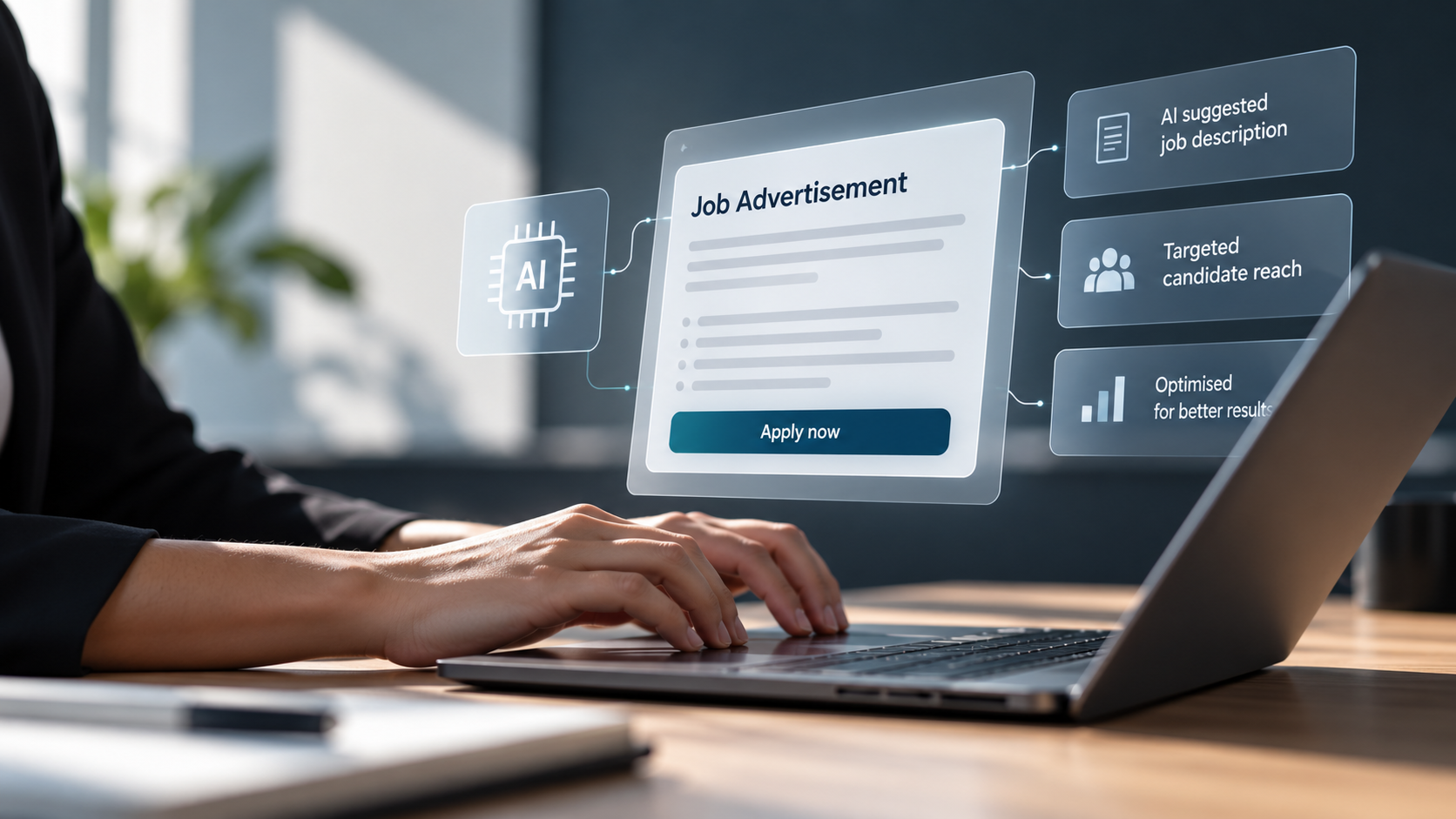
Artificial intelligence is accelerating many of these changes. Teams in Australia and New Zealand are experimenting with AI for research, planning, drafting, analysis and internal administration.
However, the speed of development is also creating uncertainty. New tools appear almost daily, making it difficult for businesses to decide which platforms to use and where AI genuinely improves the work.
The strongest use cases currently appear to be behind the scenes. AI can help organise ideas, create an initial brief, summarise research or provide a starting point when a marketer is facing a blank page.
In this role, AI can save time and reduce repetitive work. Stuart described it as an assistant rather than a replacement, helping marketers shape their thinking before applying their own knowledge and experience.
Harry shared a similar view, noting that AI can be highly effective for internal tasks but still struggles with customer-facing content. AI-generated writing can feel impersonal, while artificial images or models may create reputational risks.
Businesses therefore need clear boundaries. An AI policy can help teams understand which tools are approved, what information can be shared and where human oversight is required.
The biggest question is not whether marketers should use AI. It is whether the technology is making the work better.
Teams should avoid adopting tools simply because they are popular. They need to ask what problem the technology solves, whether it improves quality or efficiency, and whether a skilled person could complete the task more effectively.
Marketing teams that find the right balance will be best placed to succeed. Creativity still matters. Human judgement still matters. Commercial understanding still matters.
AI can support all three, but it cannot replace them.
How can marketing teams cut through the noise?
- Prioritise fewer, stronger campaigns instead of producing content purely for volume.
- Connect marketing activity with sales, operations, customer experience and revenue goals.
- Set realistic measurement periods for brand marketing and long-term demand generation.
- Use AI for research, planning, briefs and first drafts, while keeping human review in place.
- Create a clear AI policy covering approved tools, privacy, data security and customer-facing content.
- Invest in adaptability, teamwork, communication and commercial awareness across the marketing team.
Grow your career and team
Get in touch with Frog Recruitment
In business since 2002 in New Zealand, Frog Recruitment is an award-winning recruitment agency with people at our heart. Located across Auckland and Wellington, we specialise in accounting and finance, business support, education, executive, government, HR, legal, marketing and digital, property, sales, supply chain, and technology sectors. As the proud recipients of the 2024 RCSA Excellence in Candidate Care Award, we are dedicated to helping businesses achieve success through a people-first approach.